
Dominican University MAMFT Program
Want to blend art therapy with family counseling in your career? The MAMFT at Dominican University is a chance to do exactly that – it’s the only program of its kind in Northern California. You’ll complete a 63-unit course that prepares you to become both a Registered Art Therapist (ATR) and a Marriage and Family Therapist (MFT).
Dominican University’s MAMFT program lets you expand your career options. You can qualify for the Licensed Professional Clinical Counselor (LPCC) examination by taking just two extra courses in career counseling and trauma. New students join each spring and fall, and the program’s diverse student body includes about 30 percent from outside California. Program graduates work with clients of all types – from children and adolescents to couples, adults, elders, families, groups, and communities.
Let’s explore what makes the MAMFT program special. We’ll cover its structure, specializations, learning options, admission requirements, and the program’s unique features in art therapy psychology.
MFT Program Snapshot
Dominican University’s MAMFT program runs for 36 months for full-time students, with part-time options that fit around other commitments. Students need to complete 63 units in this program, which has earned accreditation from the WASC Senior College and University Commission (WSCUC). The Art Therapy Psychology Master’s program also holds accreditation from the Commission on Accreditation of Allied Health Education Programs (CAAHEP).
Students should budget for a total program tuition of $60,417, with first-year costs reaching $21,736. The program features a specialization in Art Therapy, giving students a unique approach to therapeutic practice.
The curriculum includes key courses that build clinical expertise:
- Core psychological foundations (Human Development, Psychopathology)
- Specialized therapeutic techniques (Art Therapy Techniques, Group Experience)
- Critical social awareness courses (Cross Cultural Issues, Human Sexuality)
- Legal and ethical training (Professional Ethics and Law, Child Abuse, Domestic Violence)
Students need to plan their schedules carefully. Seven to ten required units are available only during summer terms. Six one-unit intensive courses run Monday through Friday for three hours daily. The program also includes eight weekend courses that meet from 9 a.m. to 5 p.m. on Saturdays and Sundays over the three-year period.
Graduates learn to blend research data in Marriage and Family Therapy and Art Therapy. They develop skills in therapeutic interventions and understand how to follow ethical and legal guidelines in clinical practice.
The program has built strong ties with professional organizations like the California Association of Marriage and Family Therapy (CAMFT), the American Art Therapy Association (AATA), and the Art Therapy Credentials Board (ATCB). These connections help create a better learning experience through expert-led workshops, small classes, one-on-one faculty advising, and networking opportunities in the art therapy community.
Pathways and Specializations
Dominican University’s Art Therapy Psychology Department has a unique Master of Arts in Marriage and Family Therapy program. This program stands out as the sole program of its kind in Northern California, giving students a chance to earn multiple professional credentials at once.
Students can earn dual credentials as a Registered Art Therapist (ATR) and a Marriage and Family Therapist (MFT) through the program’s main path. The program offers even more options – by taking two extra courses in career counseling and trauma during or after your studies, you can qualify for the Licensed Professional Clinical Counselor (LPCC) examination.
Art Therapy is the life-blood of this specialization, and the program has approval from the American Art Therapy Association (AATA). Graduates meet all the requirements set by the Art Therapy Credentials Board (ATCB) to become a Registered Art Therapist.
The training gives you the skills to work with different groups of people:
- Children and adolescents
- Adults and elders
- Couples and families
- Groups and communities
The MAMFT program prepares you to work in settings of all types:
- Educational environments (schools, community centers)
- Healthcare facilities (hospitals, inpatient/outpatient programs)
- Specialized care centers (nursing homes, assisted living)
- Correctional institutions
- Private practice settings
Art therapy points of view are woven into every aspect of your training. You’ll learn to understand, merge, and share research data about Marriage and Family Therapy and Art Therapy. Your studies will help you become skilled at using individual, group, marriage, and family therapy methods along with specialized art therapy techniques.
The department works closely with the core organizations in the field – the California Association of Marriage and Family Therapy (CAMFT), the American Art Therapy Association (AATA), and the Art Therapy Credentials Board (ATCB). These connections boost your learning experience and help you build professional networks as you move through the program.
Learning Options and Flexibility
Dominican University’s MAMFT program offers flexible scheduling that helps students maintain a healthy work-life balance. Students who attend full-time can complete the program in a minimum of 36 months (three years, including two summer terms), with 9 units making up a full-time load each semester. Students who need to balance work or family commitments can opt for part-time enrollment with longer completion timeframes.
The program’s schedule combines structure with flexibility to support both traditional and working students:
- Summer Requirements: Students must complete seven to ten degree units during summer terms. This includes six one-unit intensive courses that run Monday through Friday for three hours daily. A required one-unit weekend course runs from 9 a.m. to 5 p.m. on Saturday and Sunday
- Weekend Components: Students attend about eight weekend courses during fall and spring terms. These run from 9 a.m. to 5 p.m. on Saturdays and Sundays
- Flexible Options: Working professionals can attend classes during late afternoons, evenings, and weekends
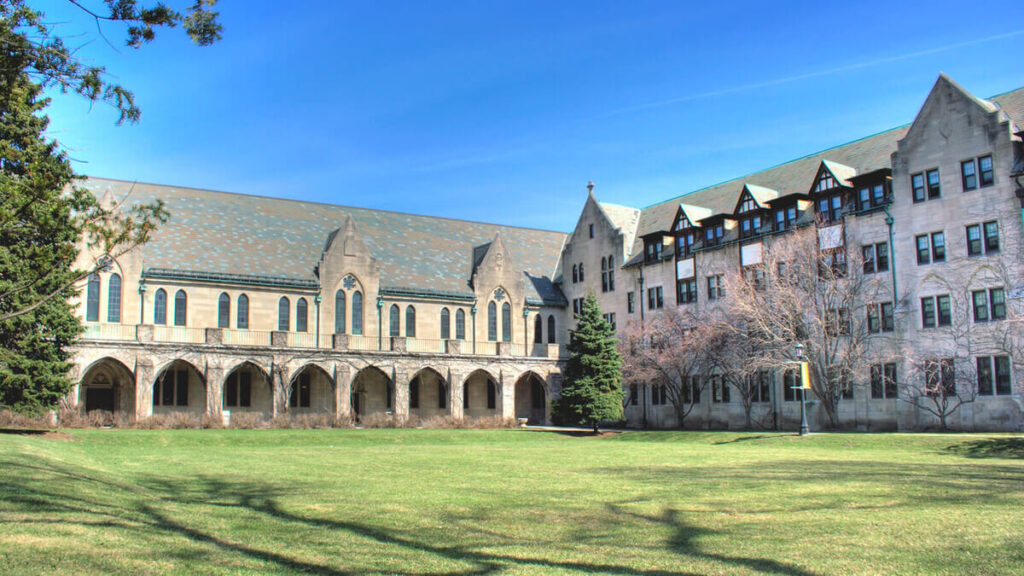
Students can spread their summer classes across multiple terms instead of taking them back-to-back. All classes take place at Dominican’s beautiful 60-acre campus in Marin County, just 12 miles north of San Francisco.
Students with prior credentials can choose the accelerated path through advanced standing. Full-time students complete this track in 15 months (spring, summer, fall, and spring), while part-time students finish in 21 months (fall, spring, summer, fall, spring). This option works best for students who already hold a master’s degree in a related mental health field.
Class sizes stay small with a maximum of 20 students, which allows faculty members who work as practicing clinicians to give each student personal attention. The program recognizes your other commitments and adapts to your schedule rather than forcing you to rearrange your life around classes.
Admission Requirements
The Dominican University MAMFT program has specific admission requirements that candidates must meet. You need a bachelor’s degree from a regionally accredited institution, with degrees in Art, Psychology, or Behavioral Science being ideal.
The program requires these educational prerequisites:
- Eighteen semester units in two- and three-dimensional studio art from different media types. This includes at least three units each in drawing, painting, and clay
- Twelve semester units in psychology that cover general psychology, lifespan development, abnormal psychology, and personality theory
- A minimum cumulative GPA of 2.5 (Some documents state a 3.0 GPA requirement for the last 60 units of coursework)
Your application package should contain these items:
- Official transcripts from all previous institutions
- Current resume
- Two professional or academic recommendation letters
- A letter of intent explaining your interest in art therapy (3-4 pages)
- An autobiography that describes influential people in your life and counseling-related experiences (4-5 double-spaced pages)
- Your response to a provided crisis scenario
- A portfolio containing 12 color images of your personal artwork showing a variety of media
The university invites qualified applicants for an in-person or online interview after reviewing their submissions. The university doesn’t conduct criminal background checks during the admissions process.
Why Choose This Program
Latest data reveals that all 2023-2024 graduates 100% of survey respondents now work in art therapy. The field boasts an 85.7% placement rate for known graduates. These impressive job prospects make Dominican University’s MAMFT program stand out.
The program’s unique status as Northern California’s only Art Therapy Psychology Department sets it apart. Dominican’s MAMFT has earned prestigious accreditation from the Commission on Accreditation of Allied Health Education Programs (CAAHEP), recommended by the Accreditation Council for Art Therapy Education (ACATE).
Students benefit from a customized learning environment. Faculty advisors provide individual attention, while small class sizes ensure personal guidance throughout the academic journey. Strong ties with CAMFT, AATA, and ATCB enhance the program’s professional network.
Students’ educational experience goes beyond traditional classroom learning through several opportunities:
- Workshops with national experts
- Annual art exhibitions featuring student, alumni, and faculty work
- Connections with a thriving art therapy alumni network
- Guidance from an Advisory Council of Agency Supervisors during practicum
Students learn practical skills from credentialed faculty members who actively practice as clinicians.